Table of Contents
Beyond traditional consecutive and simultaneous methods, AI-powered interpretation now joins the mix. Each approach offers distinct advantages and limitations. Choosing the right method keeps your communications clear and tailored to your specific needs. We explore the key differences between consecutive, human simultaneous, and AI-powered interpreting, helping you select the best option based on content complexity, audience size, and budget constraints.
Consecutive Interpretation
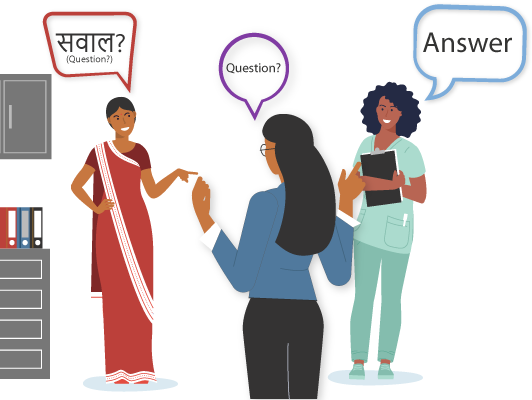
Consecutive interpreting works step by step. The speaker shares a few sentences, then pauses while the interpreter converts those words into the target language. This approach depends on the interpreter’s note-taking abilities and memory skills to capture each segment’s meaning accurately. After delivering the translation, the interpreter signals the speaker to continue. This back-and-forth rhythm maintains until the entire conversation or presentation concludes.
How It Works
In a typical consecutive setup, the interpreter positions themselves near the speaker, listening intently while noting important phrases, terms, and numbers. When the speaker pauses, the interpreter delivers the message accurately, sometimes explaining terms that lack direct translations. This step-by-step approach ensures everyone follows along clearly—though it does extend meeting times compared to single-language conversations.
Benefits
- Deeper Accuracy and Clarity
Consecutive interpretation includes built-in pauses, giving interpreters time to confirm key details. This helps prevent errors—especially with complex terms like technical or legal jargon. - Minimal Equipment Needed
Consecutive interpreting requires no headsets or booths, making it easy to set up in tight spaces—like court hallways, exam rooms, or private offices. - Comfort for Complex Discussions
When conversations involve sensitive topics like a diagnosis or legal testimony, the slower pace of consecutive interpreting supports clearer, step-by-step understanding.
Best Applications
Legal Depositions and Court Hearings
Consecutive interpreting is ideal when precision matters most—like in legal settings where every word must be accurately recorded.Medical Consultations
Its step-by-step approach helps patients clearly understand diagnoses, treatment options, and next steps.Remote Interactions
When the situation is better served by an interpreter joining by phone or video remotely, consecutive enables clear communication.
Consecutive interpreting moves at a careful pace to get things right. It may take longer, but the result is clarity. It’s perfect for moments when accuracy and depth matter most.
Simultaneous Interpretation (Human Interpreters)
Unlike consecutive interpreting where speakers pause between segments, simultaneous interpreting flows in real time, with interpreter and speaker talking almost in unison. This method requires specialized equipment: interpreters work from soundproof booths or designated areas, speaking into microphones while listeners wear headsets tuned to their language channel. Interpreters hear the speaker through headphones, process information instantly, and deliver translations with minimal delay.
How It Works
In simultaneous settings, speakers maintain their natural flow without interruption. The interpreter converts their words in real-time, delivering a continuous stream to audience members needing translation. This demanding method requires specialized training and exceptional linguistic skill, as interpreters must instantly capture complex ideas, often delivered at rapid speeds, while maintaining unwavering concentration.
Benefits
Uninterrupted Presentations
Speakers can keep their natural flow and timing. This is especially useful at conferences or seminars where continuous delivery keeps the audience engaged.Suitable for Large Crowds
With multi-channel support, simultaneous interpreting can cover several languages at once. It’s a smart fit for international summits and global business events.Enhanced Professionalism
High-stakes settings like diplomatic meetings or shareholder calls benefit from the seamless feel of simultaneous interpreting. It supports a polished experience with minimal disruption.
Best Applications
- Large Conferences and Seminars: When speakers from different countries address a multilingual audience, simultaneous interpreting keeps the momentum going.
- Live Broadcasts: Television, webcasts, and other real-time media formats rely on the immediacy of simultaneous interpretation to reach diverse viewers.
- High-Profile Events: Diplomacy, international business dealings, and shareholder meetings often call for a polished, time-efficient method of communication.
Human-driven simultaneous interpreting is the gold standard for scenarios that require instant translation without breaking up the speaker’s flow. While it demands significant resources and highly trained interpreters, it delivers a seamless experience that’s hard to match when dealing with large or culturally diverse audiences.
AI-Powered Simultaneous Interpretation
AI has revolutionized simultaneous interpreting with machine-powered solutions that convert language almost instantly. These systems bypass human interpreters, using speech recognition to capture words, advanced algorithms to translate them, and then delivering spoken or written output to users. You’ll find this technology built into specialized devices or available through software and mobile apps, typically requiring much less equipment than conventional interpretation setups with booths and headsets.
How It Works
AI-powered simultaneous interpreting starts with a speech-to-text engine capturing the speaker’s words. A translation engine then converts those words into your target language. Some systems add text-to-speech for audio output. The software responds instantly, matching human interpreters for speed. But machine learning has limitations—rare dialects or specialized terms can trip up the AI. You’ll also need a reliable internet connection and compatible devices, which might be challenging in some settings.
Benefits
Quick Setup and Broad Reach
Cloud-based AI interpretation tools let teams start sessions fast and support multiple languages for large audiences. Ideal for events planned on short notice.Scalability and Cost Efficiency
Once deployed, AI tools scale easily across teams and events without the recurring cost of additional interpreters. They’re especially useful for internal or informal needs.Continuous Improvements
AI systems learn and adapt. Over time, they improve in recognizing accents, industry terms, and subtle language differences—making each session more accurate than the last.
Best Applications
Internal Team Meetings or Informal Updates
For quick check-ins where minor errors are acceptable, AI interpretation offers a fast and affordable way to keep teams aligned.Early Research and Exploration
When exploring new markets, AI tools provide a low-risk way to test language support before investing in human interpreters for formal use.Large-Scale Virtual Conferences with Basic Topics
For broad, general sessions with remote attendees, AI can handle multilingual access when the content is straightforward and not highly sensitive.
AI-powered simultaneous interpreting offers speed and scale, making it useful for basic communication needs. While it doesn’t match human expertise in nuance or precision, it’s a cost-effective choice for simple conversations and broad audience engagement.
Choosing Your Interpretation Method
No single interpreting approach works for every situation. Your event’s needs depend on its context, subject matter, and audience requirements—then choosing the right modality that balances speed, accuracy, and resources effectively. Consider these questions when making your decision:
- Complexity and Sensitivity of Content
- Consecutive: Best when accuracy is critical and pauses are acceptable, such as legal proceedings or sensitive medical consultations.
- Simultaneous (Human): Fits high-stakes settings that demand seamless delivery, like major conferences or executive negotiations.
- AI-Powered: Works for low-risk situations where small errors are acceptable, including internal updates or informal large-group sessions.
- Timing and Flow Requirements
- Consecutive: Slows down the session since each message is repeated, extending the overall duration.
- Simultaneous (Human or AI): Keeps the conversation moving at the speaker’s pace, maintaining engagement. Human-driven interpreting needs more equipment, while AI depends on strong connectivity.
- Budget and Logistics
- Consecutive: Low on tech needs but can cost more in time, especially for long sessions.
- Simultaneous (Human): Highest cost due to expert interpreters and equipment like booths and headsets.
- AI-Powered: More budget-friendly per event, though accuracy trade-offs and cloud-based security needs may add complexity.
- Audience Size and Diversity
- Consecutive: Suited to small groups where clarity and personal attention matter more than speed.
- Simultaneous (Human): Ideal for large, diverse audiences with multiple language needs, using separate interpreters and channels.
- AI-Powered: Scales easily for wide online reach, though it may miss subtleties and struggle with complex terminology.
- Risk Tolerance
- Consecutive: Prioritizes accuracy with low error risk, though it slows the pace.
- Simultaneous (Human): Delivers real-time communication with expert oversight, but depends on interpreter skill and preparation.
- AI-Powered: Fast to deploy and scale, but less reliable for complex or culturally sensitive topics.
By comparing these factors against your specific needs, you can select the ideal interpreting method for your situation. Though all three options enable multilingual communication, choosing the right approach ensures smooth conversations, engaged audiences, and fewer misunderstandings.
—-
Whether you need methodical consecutive interpreting, real-time simultaneous interpreting, or scalable AI solutions, Global Interpreting offers the right method for your situation. We match your choice to your event’s complexity, stakes, and format, ensuring all participants communicate clearly—regardless of language. Contact us to get started.